Judgment.
The next layer of writing.
We learned to make thought permanent. For centuries, the hard part was getting an idea out of your head and into words.

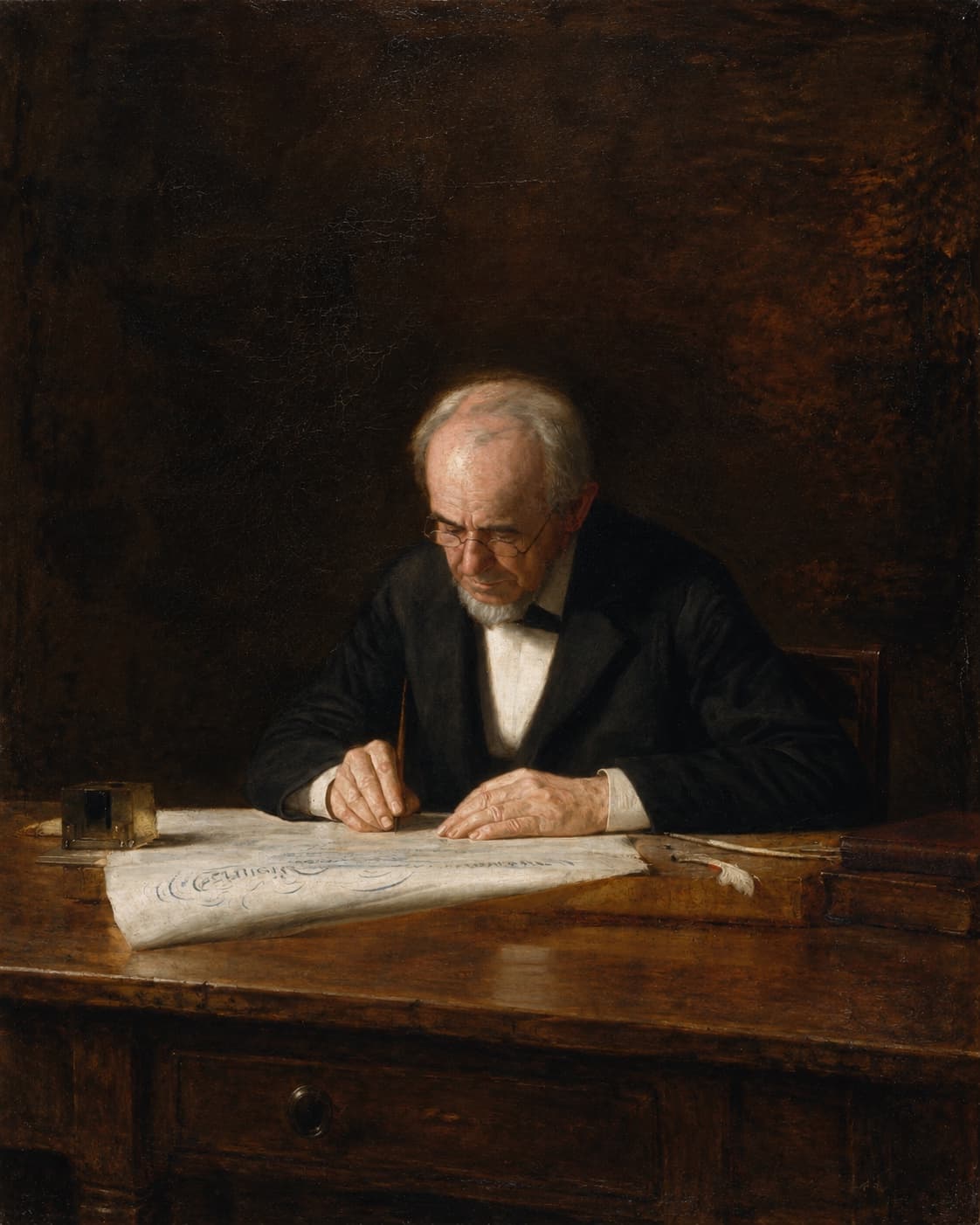
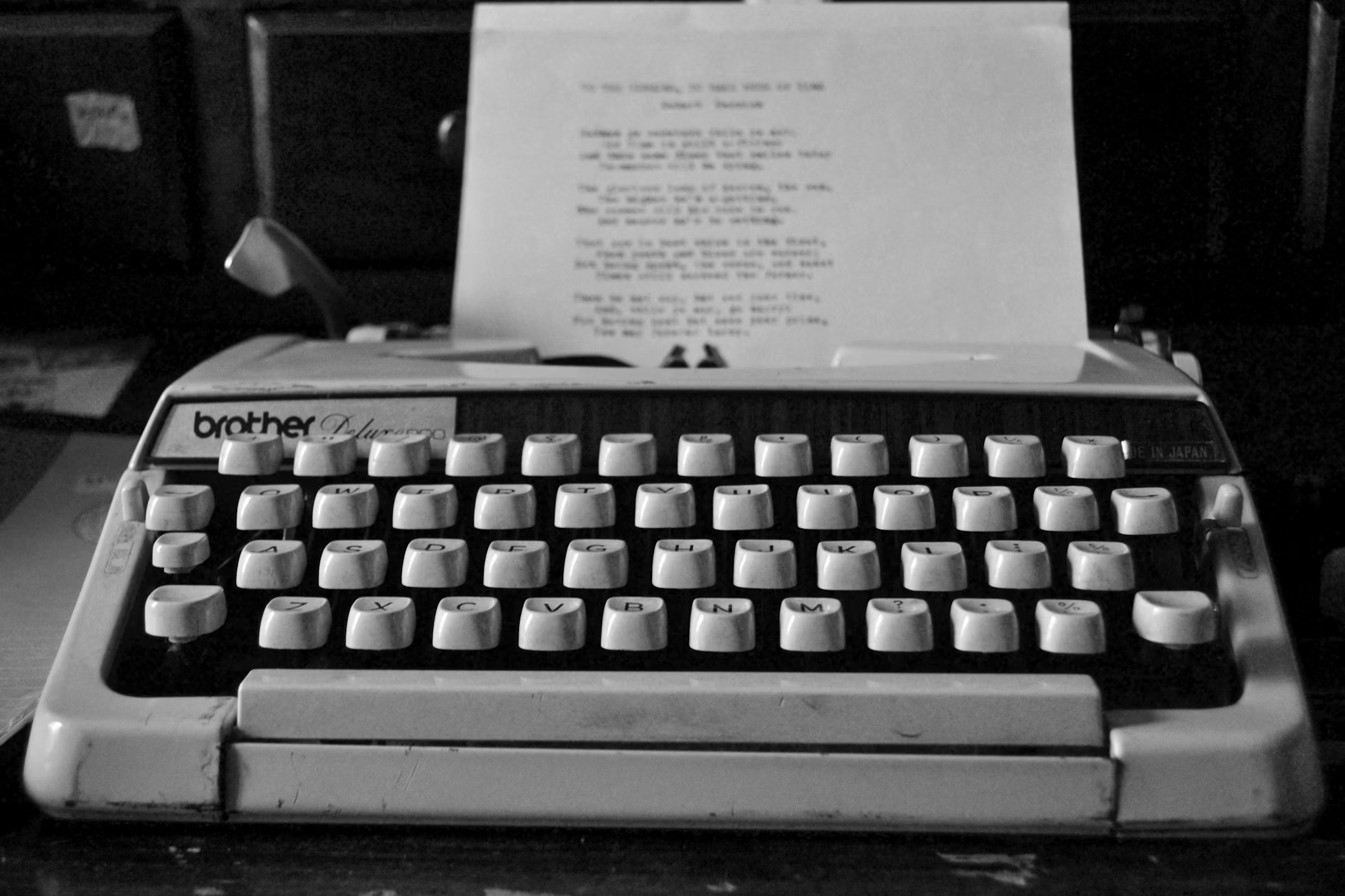
Then we removed the friction of writing. Editing became effortless. Rewriting stopped meaning starting again.

Then every piece of writing could reach someone instantly. The distance between writing something and acting on it collapsed.


Then machines learned to write. The blank page disappeared. Good-looking words became cheap, fast and almost infinite.
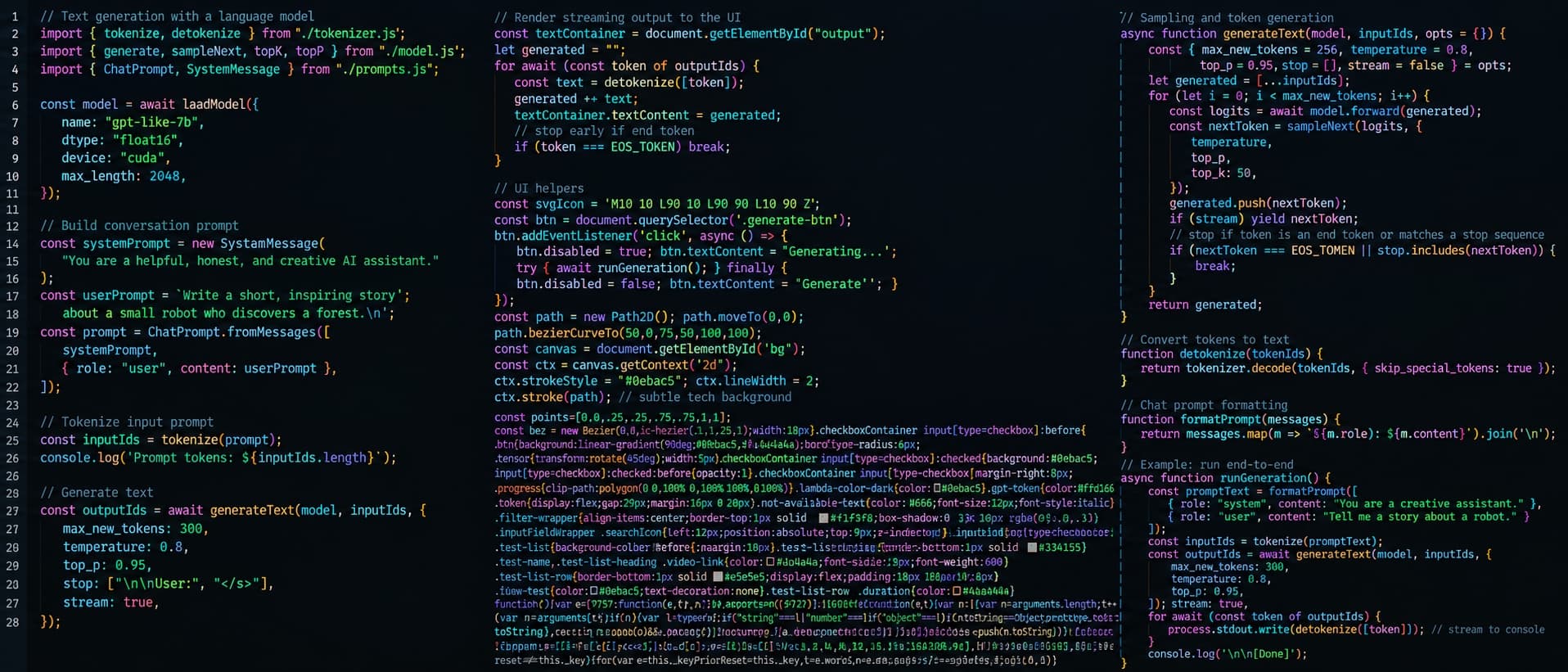
The bottleneck moved.
Writing became abundant. Judgment did not.
Finalit is the judgment layer.
Every outcome makes the next judgment more informed.
Every decision that comes back, and every one that never does, teaches Finalit what writing actually does in the world. Most tools can only infer how words might land. Finalit learns from what happens next. Each outcome becomes evidence, sharpening future judgment and moving Finalit toward the day it can tell you what is likely to happen before the writing leaves you.
What if you could predict the outcome of what you write?
Finalit is building the prediction layer for human communication.